
Fall Facts: Why Humans Are Hoarding Socks (Again)
 Harold Howl III
Every year, it happens. Just as the air turns crisp and the squirrels begin their frantic, last-minute acorn burials, the humans in our lives suddenly develop an *obsession* with socks. Not just any socks—mismatched, holey, and suspiciously *stinky* socks. Why? Are they preparing for a fashion revolution? A secret underground sock-based economy? Or is it just another human ritual we’re expected to tolerate with polite, confused head tilts?
The Great Pumpkin Conspiracy
Pumpkins. Those big, round, orange orbs of human obsession. We’ve all seen them—carved, uncarved, turned into lattes, and, in one infamous case, used as a throne by a particularly dramatic poodle at a backyard party. But why orange?
Turns out, pumpkins are just squash with marketing. Specifically, they’re a type of squash that humans have convinced themselves is the official color of fall. (As if leaves haven’t been doing that job just fine, thank you very much.) The orange hue is thanks to a pigment called carotenoids, the same stuff that gives carrots their color—and yes, that’s the vegetable humans have been trying to feed us since we were puppies. Convenient, isn’t it? But here’s the real kicker: pumpkins are not native to North America. They’re originally from Mexico, where they’ve been gutted, roasted, and turned into everything from pies to face paint for centuries.
Trick-or-Treat: The Ultimate Bargaining Chip
Ah, Halloween. The one night of the year when humans encourage us to beg for treats. This year, we’ve done some digging (or should we say, sniffing?) into the most questionable Halloween treats humans have ever foisted upon us. Topping the list? Raisins. Yes, those tiny, wrinkled, dried grapes. What is the thought process here? “Kids love candy! But also, here’s something that looks like a tiny, shriveled-up olive. Enjoy!” Other contenders for “Worst Halloween Treat Ever” include:
- Black jelly beans: Essentially, a human’s way of saying, “Here’s something that looks like a tiny, edible piece of tire tread.”
- Pop Rocks: The snack equivalent of a human saying, “I dare you to eat this while also questioning all your life choices.”
- Toothbrushes: Yes, this actually happened in 1970. Humans thought it was a joke. We think it’s a war crime.
Our advice? Stick to the classics: peanut butter cups, milk chocolate bars, and anything that doesn’t require chewing. (We’ve all been there.)
Fall Foliage: Nature’s Confetti Cannon
There’s nothing quite like the sound of leaves crunching underfoot—unless it’s the sound of a squirrel screaming because it just realized it buried an acorn in the middle of your favorite napping spot. Fall foliage is nature’s way of saying, “Look how pretty I am!” while also accidentally turning every yard into a minefield of color and chaos.
Scientifically speaking, leaves change color because of chlorophyll—the green pigment that helps plants turn sunlight into energy—starting to fade as the days get shorter. This reveals other pigments like yellows and oranges, which have been hiding in plain sight all summer. It’s like when your human finally takes off their “invisible” dog hair sweater and you see the real disaster underneath.
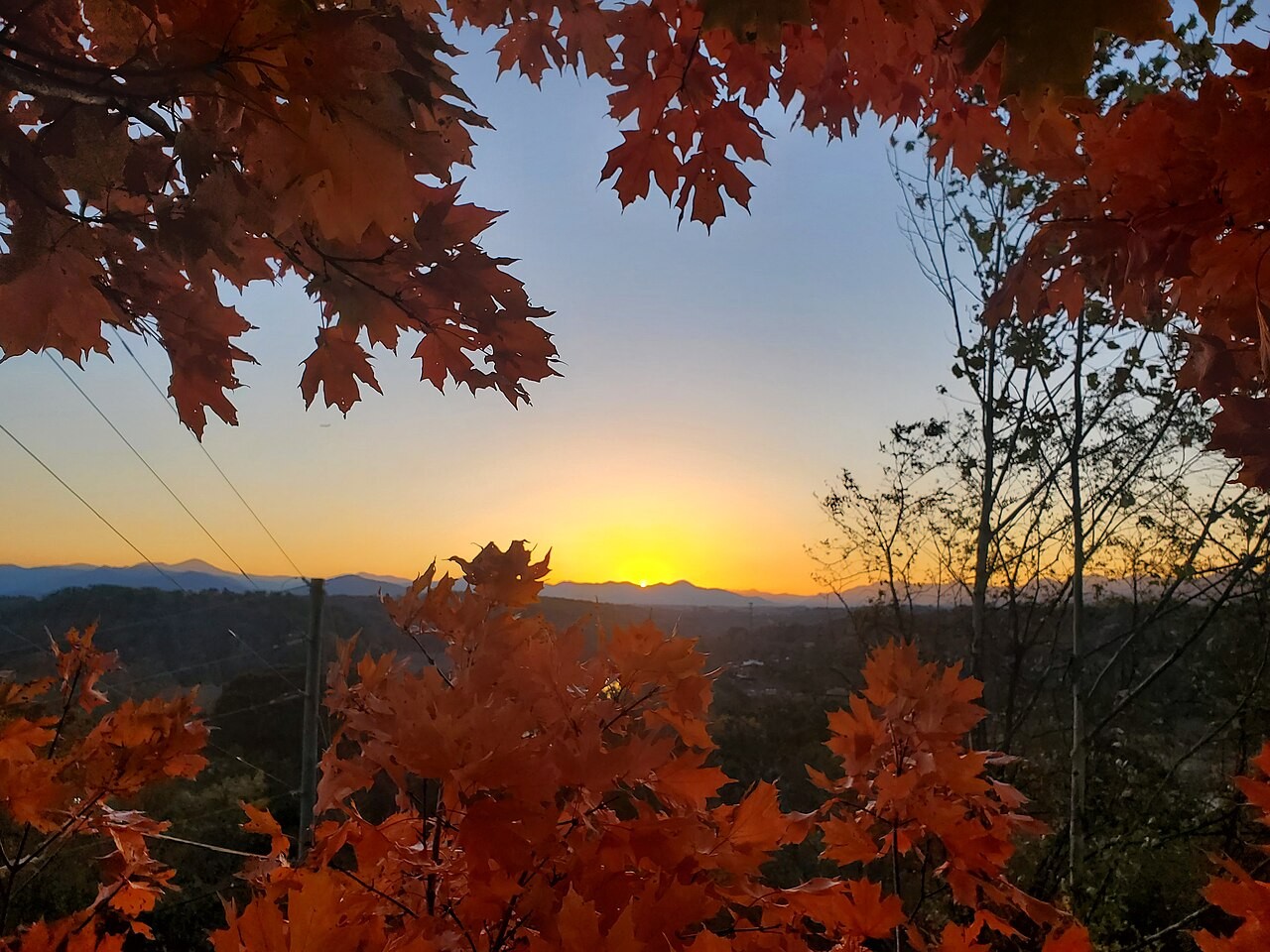
But here’s the thing: not all leaves play fair. Some trees, like maples and oaks, go out with a bang, turning fiery red and orange before raining down like nature’s own confetti. Others, like birches, just… sigh and turn yellow before drifting to the ground like a sad, golden snowfall. And then there’s the elm tree, which seems to take particular pleasure in clinging to its leaves until the very last second, as if daring you to step on one.