
Rising Bond Yields: What’s the Bark About?
 Harold Howl
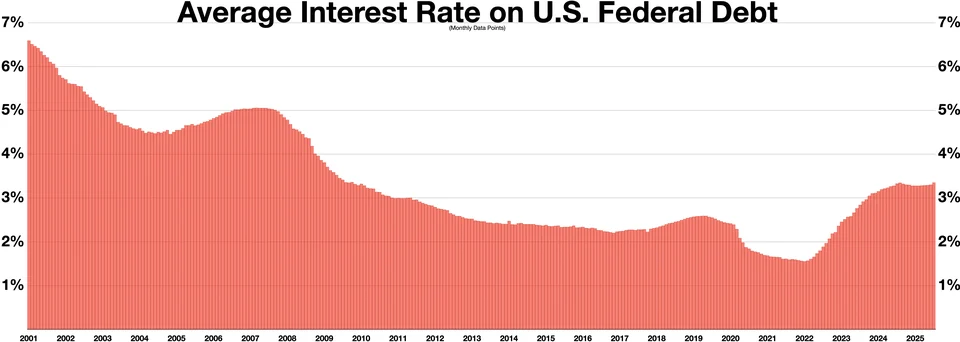
Humans are buzzing about something called "rising bond yields," and while it sounds like a fancy chew toy, it’s actually a big deal for their wallets—and indirectly, for us pups. Let’s sniff out what’s going on.
Bond yields are like the interest rates humans earn when they lend money to governments or companies. When yields rise, it usually means borrowing gets pricier. Humans call this a "tightening" of financial conditions, and it’s got them howling over inflation, savings, and even their monthly dog-walking budgets.
Why Are Yields Rising?
Humans’ central banks (like the Federal Reserve in the U.S.) have been raising interest rates to cool down their economy. Think of it like when your humans turn up the AC to stop you from panting too hard. Higher rates make bonds more attractive to investors, pushing yields up. It’s all part of their plan to keep prices stable—though some pups (and humans) wonder if they’re overdoing it.
How Does This Affect Humans?
For humans, rising yields can mean:
- Higher borrowing costs: Loans for cars, homes, or even that fancy new squeaky toy for you get pricier. Some humans might delay big purchases, leaving fewer treats (or fewer walks) in their budgets.
- Stock market wobbles: When yields rise, stocks—especially those with long-term growth—can lose some of their shine. Humans might get jittery, and their moods could sour faster than a spoiled bone.
- Savings perks: On the flip side, if humans have savings accounts or bonds, they might earn a little more interest. But don’t get too excited—it’s rarely enough to buy you a steak dinner.
Some economists worry that if rates stay high too long, humans could face a slowdown—meaning fewer jobs, less spending, and maybe even tighter leashes on their wallets.
What’s in It for Us Pups?
Directly? Not much—we don’t exactly have 401(k)s or mortgages. But indirectly, it matters. If humans are stressed about money, they might cut back on:
- Vet visits (so keep those vaccinations up to date!).
- Premium kibble or those fancy organic treats.
- Dog parks or extra walks (though we’ll still find a way to drag them out for a sniff-around).
On the bright side, if humans start hoarding more to save, they might finally admit they’ve been skimping on your portion sizes. A pup can dream, right?
The Uncertainty Factor
Here’s the thing: no one knows for sure how this will play out. Humans’ economies are like a game of fetch—full of surprises. Some predict a soft landing (where inflation cools without a big crash), while others fear a recession (which, for us, might mean more time alone while humans huddle indoors).
One thing’s certain: if humans start panicking, they might forget to refill your water bowl. So, keep an eye on their habits and remind them—gently—who’s really in charge of the household.
Bottom Line
Rising bond yields are a human problem, but it’s wise to keep a paw on the pulse. If your humans seem more stressed than usual, they might need extra belly rubs and reminders that you’re their priority—not the stock market. And if they start talking about "diversifying their portfolio," it’s time to steal their sandwich.